The Complete Guide to Building a Powerful Brand Identity in 2026

Introduction
In today's hyper-competitive digital landscape, your brand identity is more than just a pretty logo—it's the foundation of how customers perceive, remember, and connect with your business. Whether you're launching a startup, rebranding an established company, or expanding into new markets, a strong brand identity can be the difference between blending in and standing out.
At JetherVerse, we've helped over 50+ businesses build distinctive brand identities that drive real results. From AI-powered platforms to Web3 marketplaces, we've seen firsthand how strategic branding transforms businesses. In this comprehensive guide, we'll share everything you need to know about creating a brand identity that resonates, converts, and lasts.
What Is Brand Identity? (And Why It Matters More Than Ever)
Defining Brand Identity
Brand identity is the collection of visual, verbal, and experiential elements that define how your business presents itself to the world. It includes:
Logo and visual mark — Your primary identifier
Color palette — The emotions and associations you evoke
Typography — How your words look and feel
Imagery and graphics — Your visual language
Voice and tone — How you communicate
Brand values — What you stand for
Think of brand identity as your business's personality made visible. Just as you recognize a friend by their appearance and mannerisms, customers should instantly recognize your brand across every touchpoint.
Why Brand Identity Matters in 2026
The business landscape has shifted dramatically:
Attention is scarce — You have 3 seconds to make an impression
Competition is global — Standing out requires intentional differentiation
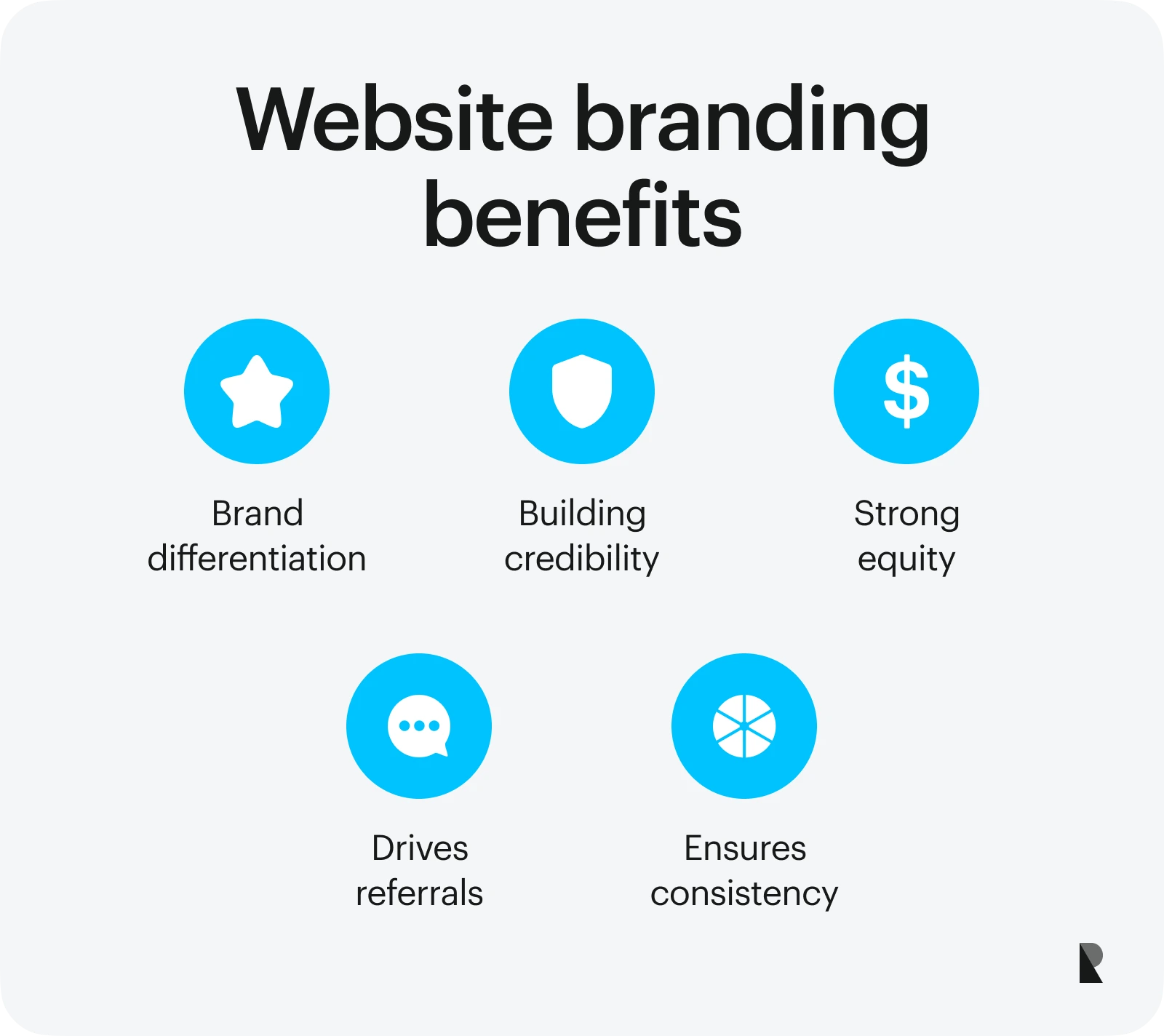
Trust is currency — Consistent branding builds credibility faster
Digital-first world — Your brand lives primarily online
Multi-platform presence — Consistency across 10+ platforms is non-negotiable
According to recent studies, consistent brand presentation across all platforms increases revenue by up to 33%. In other words, brand identity isn't just design—it's a business growth strategy.
The 7 Essential Elements of a Strong Brand Identity
1. Logo Design: Your Visual Cornerstone
Your logo is often the first brand element customers encounter. A great logo should be:
Memorable — Instantly recognizable even at small sizes
Timeless — Still relevant 5-10 years from now
Versatile — Works in color, black & white, and various sizes
Appropriate — Reflects your industry and values
Simple — Complexity dilutes impact
Pro Tip: Create multiple logo variations from day one:
Full lockup (icon + wordmark)
Icon only (for app icons, social media)
Wordmark only (for horizontal spaces)
Monochrome versions (for print, embroidery)
Case Study: When we designed Mizora AI's logo, we created a system that works equally well on a mobile app icon and a billboard, ensuring brand recognition across every student touchpoint.
2. Color Palette: The Psychology of Brand Colors
Colors trigger emotions and associations before words register. Your color palette should:
Align with your industry — Tech brands often use blues (trust), food brands use warm tones (appetite)
Stand out from competitors — If everyone in your space uses blue, consider purple or green
Work across mediums — Test colors on screens and in print
Include accessibility — Ensure sufficient contrast for readability
Color Psychology Quick Reference:
Blue — Trust, reliability, professionalism (Finance, Healthcare, Tech)
Green — Growth, health, sustainability (Environment, Wellness, Finance)
Purple — Innovation, creativity, luxury (Tech, Beauty, Education)
Orange — Energy, enthusiasm, friendliness (Food, Entertainment, Sports)
Red — Urgency, passion, excitement (Food, Retail, Entertainment)
Black — Sophistication, power, elegance (Luxury, Fashion, Tech)
Real Example: ZenoAI's deep blue palette communicates 24/7 reliability and AI intelligence, while vibrant accent colors add energy and approachability.
3. Typography: The Voice of Your Brand
Your font choices speak volumes about your brand personality:
Serif fonts — Traditional, trustworthy, established (Finance, Law, Publishing)
Sans-serif fonts — Modern, clean, approachable (Tech, Startups, Fashion)
Script fonts — Elegant, personal, creative (Luxury, Beauty, Events)
Display fonts — Bold, unique, attention-grabbing (Entertainment, Youth brands)
Typography System Best Practices:
Primary font for headings (personality)
Secondary font for body copy (readability)
Maximum 2-3 fonts per brand (consistency)
Clear hierarchy (H1, H2, H3, body, captions)
4. Imagery and Graphics: Your Visual Language
Beyond your logo, how do you use images, illustrations, and graphics?
Photography style — Bright and airy vs. dark and moody
Illustration approach — Flat design, 3D, hand-drawn, abstract
Iconography — Consistent icon set for UI and communications
Patterns and textures — Supporting visual elements
Tip: Create a brand mood board early. Collect 20-30 images that capture your desired aesthetic, then identify common threads.
5. Brand Voice and Messaging
Your brand's verbal identity is as important as the visual:
Tone — Professional, casual, humorous, inspirational
Language — Technical jargon vs. simple explanations
Personality traits — Friendly, authoritative, playful, serious
Key messages — Your core value propositions
Example:
Formal: "Our organization provides comprehensive solutions..."
Casual: "We help you get stuff done, faster."
Playful: "Say goodbye to boring meetings. Hello, productivity! 🚀"
Match your voice to your audience. A B2B SaaS company might be more professional, while a DTC lifestyle brand can be casual and fun.
6. Brand Guidelines: Your Consistency Bible
Professional brand guidelines document everything:
Logo usage rules (spacing, minimum sizes, what NOT to do)
Color codes (HEX, RGB, CMYK, Pantone)
Typography specifications (fonts, sizes, weights, line heights)
Imagery style and examples
Voice and tone guidelines
Application examples (business cards, website, social media)
Why It Matters: When you scale—hiring designers, working with partners, creating content—brand guidelines ensure everyone represents your brand correctly.
7. Brand Experience: Beyond the Visual
Great brands create consistent experiences:
Website UX — Navigation, speed, mobile optimization
Customer service — Response time, tone, problem-solving
Packaging — Unboxing experience (for physical products)
Email communications — Templates, signature, frequency
Social media presence — Post style, engagement approach
Every interaction is a brand touchpoint. Make them all count.
The Brand Identity Design Process: How We Do It at JetherVerse
Phase 1: Discovery & Strategy (Day 1-2)
What we do:
Stakeholder interviews to understand vision and goals
Competitor analysis to identify differentiation opportunities
Target audience research to understand preferences
Brand positioning workshop to define unique value
Deliverables:
Brand strategy document
Competitive landscape analysis
Audience personas
Positioning statement
Phase 2: Concept Development (Day 3-4)
What we do:
Mood board creation to establish visual direction
Logo concept sketches and iterations
Color palette exploration
Typography pairing tests
Deliverables:
3-5 initial logo concepts
Proposed color palettes
Typography recommendations
Concept rationale
Phase 3: Refinement & Finalization (Day 5-6)
What we do:
Client feedback integration
Selected concept refinement
Logo variations development
Application mockups (business cards, website, social)
Deliverables:
Final logo files (all formats: AI, SVG, PNG, PDF)
Complete color palette with codes
Typography files and licenses
Usage examples
Phase 4: Brand Guidelines & Asset Delivery (Day 7-8)
What we do:
Comprehensive brand guidelines creation
Full asset library organization
Template creation (presentations, social graphics)
Team training on brand usage
Deliverables:
Brand guidelines document (PDF)
Complete asset package (logos, colors, fonts, templates)
Brand implementation roadmap
Ongoing support plan
Timeline: Most brand identity projects take 1-8 Days from kickoff to delivery.
Common Brand Identity Mistakes (And How to Avoid Them)
Mistake 1: Following Trends Too Closely
The Problem: Trendy designs age poorly. That gradient everyone's using in 2026? It'll look dated by 2028.
The Fix: Aim for timeless design with subtle contemporary touches. Your brand should still work in 10 years.
Mistake 2: Designing in a Vacuum
The Problem: Creating a brand without understanding your audience or competitors.
The Fix: Start with research. Know who you're speaking to and what they respond to.
Mistake 3: Inconsistent Application
The Problem: Different logos on different platforms, random color usage, mixed messaging.
The Fix: Create and enforce brand guidelines. Consistency builds recognition.
Mistake 4: Overcomplicating the Design
The Problem: Logos with 5 colors, 3 fonts, and intricate details that disappear at small sizes.
The Fix: Simplicity wins. If your logo doesn't work at 32x32 pixels, simplify it.
Mistake 5: DIY Without Expertise
The Problem: Using generic logo makers or templates that look like everyone else.
The Fix: Invest in professional design. Your brand is your business's face—make it count.
Mistake 6: Ignoring Mobile and Digital-First
The Problem: Designing only for print or desktop, then forcing it onto mobile.
The Fix: Design mobile-first. Most people will see your brand on a phone screen.
Brand Identity vs. Brand Strategy vs. Branding: What's the Difference?
Many people confuse these terms. Here's the breakdown:
Brand Strategy — The plan (who you are, what you stand for, how you position yourself)
Brand Identity — The visual and verbal expression (logo, colors, voice)
Branding — The execution and experience (how people encounter your brand)
Think of it this way:
Strategy = The blueprint
Identity = The house design
Branding = Living in the house and making memories
You need all three working together.
Industry-Specific Brand Identity Considerations
Tech & SaaS Companies
Priorities:
Clean, modern aesthetics
Trust and reliability signals
Scalable design systems
Dark mode compatibility
Color Trends: Blues, purples, gradients
Example: ZenoAI's brand communicates AI intelligence through modern typography and a deep blue palette that evokes 24/7 reliability.
E-commerce & Retail
Priorities:
Eye-catching, memorable logos
Photography-forward visual language
Packaging considerations
Social media optimization
Color Trends: Vibrant, energetic palettes
Fintech & Blockchain
Priorities:
Security and trust signals
Innovation without intimidation
Technical credibility
Future-forward aesthetics
Color Trends: Deep blues, purples, gradients (Solana-inspired)
Example: MintJobs balances Web3 innovation with marketplace professionalism through Solana-inspired gradients and crypto-native design elements.
Education & E-learning
Priorities:
Approachable, friendly design
Clear hierarchy and readability
Accessibility considerations
Multi-age appeal
Color Trends: Bright, optimistic colors
Example: Mizora AI's brand balances technological sophistication with educational warmth, appealing to students, parents, and educators.
Service & Lifestyle Platforms
Priorities:
Convenience and reliability signals
Versatile logo for various applications
Human-centered design
Broad demographic appeal
Color Trends: Energetic, trustworthy combinations
Example: Fetchit's brand embodies convenience and trust through dynamic design that works across app, uniforms, and vehicles.
How to Measure Brand Identity Success
Quantitative Metrics
Brand Recognition — Survey: "Do you recognize this logo?"
Website Traffic — Branded search volume increase
Social Media Growth — Follower and engagement rates
Conversion Rates — Do people trust you enough to buy?
Customer Acquisition Cost — Strong brands reduce CAC
Qualitative Metrics
Brand Perception — How do people describe your brand?
Customer Testimonials — What do they say about their experience?
Team Alignment — Do employees understand and embody the brand?
Competitive Differentiation — Can customers tell you apart?
Timeline Expectations
Month 1-3: Initial rollout, internal alignment
Month 4-6: Market recognition begins, social growth
Month 7-12: Measurable impact on conversions and CAC
Year 2+: Brand equity builds, word-of-mouth increases
Brand Identity Trends to Watch in 2026
1. AI-Generated Brand Elements
AI tools are assisting (not replacing) designers in creating variations, testing concepts, and exploring color palettes faster.
2. Dynamic Logos
Logos that adapt to context—different colors for different platforms, animated versions for digital, responsive designs.
3. Accessibility-First Design
Brands prioritizing readability, color contrast, and inclusive design from the start.
4. Minimalism with Personality
Stripping away excess while maintaining distinctive character through subtle details.
5. Sustainable Branding
Eco-conscious design choices, from digital-first approaches to recyclable packaging considerations.
6. Web3 Native Aesthetics
Crypto and blockchain brands developing unique visual languages (gradients, 3D, glassmorphism).
7. Emotional Authenticity
Moving away from corporate polish toward genuine, human-centered branding.
When to Rebrand vs. Refresh Your Brand Identity
Rebrand (Complete Overhaul) When:
Your business has fundamentally changed direction
Current brand has negative associations
Merging with another company
Targeting a completely new audience
Brand is severely outdated (10+ years old)
Example: A B2B software company pivoting to B2C needs a complete rebrand.
Refresh (Evolution) When:
Brand feels slightly dated but still relevant
Expanding to new markets or products
Modernizing without losing equity
Improving inconsistent applications
Small course corrections
Example: Updating typography and colors while keeping the recognizable logo.
Leave It Alone When:
Brand is working well
You have strong brand recognition
Recent launch (less than 2 years)
Change would confuse loyal customers
Rule of Thumb: If customers love your brand and it's driving results, evolve gradually rather than overhauling.
DIY vs. Hiring a Professional: Making the Right Choice
DIY Might Work:
Very early stage (pre-revenue, testing ideas)
Extremely limited budget (under $500 total)
Temporary placeholder (planning to rebrand when funded)
Internal design expertise (you're a designer)
DIY Tools:
Canva Pro (templates and graphics)
Figma (design and prototyping)
Coolors (color palette generation)
Google Fonts (typography)
Limitations: Generic results, limited uniqueness, time-consuming, no strategic guidance.
When to Hire a Professional:
Launching publicly (first impressions matter)
Seeking investment (professional brand = serious business)
Scaling your business (consistency across teams)
Competitive market (differentiation is critical)
Lack design skills (better to invest than struggle)
Benefits:
Strategic positioning (not just pretty pictures)
Unique, ownable designs
Complete asset packages
Faster execution
Long-term thinking
Investment Range:
Freelancer: $500 - $5,000
Small agency: $5,000 - $15,000
Established agency: $15,000 - $50,000+
Top-tier agency: $50,000 - $500,000+
At JetherVerse, our brand identity packages start at $500 for startups and scale based on complexity and deliverables.
Real Results: Brand Identity Case Studies
Case Study 1: Mizora AI (Education Tech)
Challenge: Create a brand that communicates AI sophistication while remaining approachable for students of all ages.
Solution: Modern logo with educational warmth, balanced color palette, comprehensive guidelines.
Results:
85% student engagement rate
Strong brand recognition within target demographic
Successful platform launch with clear differentiation
Key Takeaway: Balancing innovation with accessibility creates trust across generations.
Case Study 2: Fetchit (Lifestyle Services)
Challenge: Represent two service categories (shopping + handyman) under one cohesive brand.
Solution: Versatile logo system optimized for app, uniforms, and vehicles; energetic yet trustworthy color palette.
Results:
Memorable brand in competitive on-demand services market
Consistent brand presence across all touchpoints
Strong visual identity supporting rapid growth
Key Takeaway: Versatility in design enables scalability across physical and digital applications.
Case Study 3: MintJobs (Web3 Marketplace)
Challenge: Create crypto-native branding that appeals to both projects and freelancers.
Solution: Solana-inspired gradients, Web3 iconography, animated assets, comprehensive digital-first guidelines.
Results:
Distinctive presence in emerging Web3 jobs space
Strong resonance with crypto community
Brand assets optimized for Discord, Twitter, and dApp
Key Takeaway: Understanding niche communities creates authentic connections in specialized markets.
Your Brand Identity Checklist: Getting Started
Before You Begin:
[ ] Define your business goals and target audience
[ ] Research competitors and identify gaps
[ ] Establish budget and timeline
[ ] Gather inspiration and create mood boards
[ ] Decide: DIY, hire freelancer, or hire agency
During Design:
[ ] Develop 3-5 logo concepts
[ ] Test logos at various sizes (favicon to billboard)
[ ] Select primary and accent colors (with accessibility in mind)
[ ] Choose typography system (heading + body fonts)
[ ] Create initial brand guidelines draft
After Launch:
[ ] Update all platforms with new branding (website, social, email)
[ ] Train team on brand usage
[ ] Create templates for common materials
[ ] Monitor brand consistency across touchpoints
[ ] Collect feedback and refine as needed
Conclusion: Your Brand Is Your Business's Foundation
A powerful brand identity isn't just about looking good—it's about being remembered, trusted, and chosen. In an increasingly crowded marketplace, your brand is often the deciding factor between you and a competitor.
Whether you're building your first brand or refreshing an established one, remember:
✅ Start with strategy — Know who you are before designing what you look like
✅ Prioritize consistency — Recognition comes from repetition
✅ Think long-term — Trends fade, timeless design endures
✅ Invest appropriately — Your brand is worth doing right
✅ Evolve thoughtfully — Brands grow, but core identity should remain
At JetherVerse, we've seen how the right brand identity transforms businesses from forgettable to unforgettable. From AI platforms to Web3 marketplaces, we build brands that resonate, convert, and last.
Ready to Build Your Brand Identity?
Whether you're launching a new venture or elevating an existing brand, we're here to help you create an identity that drives real business results.
What we offer:
Comprehensive brand strategy and positioning
Logo design and complete visual identity systems
Brand guidelines and asset packages
Website design and development
Ongoing brand support and evolution
Get started today:
Free brand audit — Let's assess your current brand
Strategy session — 30-minute consultation to discuss your goals
Custom proposal — Tailored package for your needs and budget
Contact us: 📧 Email: info@jetherverse.net.ng
📞 Phone: +234 915 983 1034
🌐 Website: www.jetherverse.net.ng
Frequently Asked Questions
Q: How long does brand identity design take?
A: Typically 6-8 weeks for a complete brand identity, including strategy, design, and guidelines.
Q: What's the difference between a logo and a brand identity?
A: A logo is one element of brand identity. Brand identity includes logo, colors, typography, imagery, voice, and all visual/verbal elements.
Q: Can I trademark my logo?
A: Yes! We recommend trademarking your logo and brand name once finalized. Consult an IP attorney for the process.
Q: Do I own the files after the project?
A: Yes. You receive all source files (AI, SVG, PNG, PDF) and full usage rights for your brand assets.
Q: What if I don't like the initial concepts?
A: Our process includes revision rounds. We work collaboratively until you're thrilled with the result.
Q: Should I rebrand or refresh?
A: Rebrand if your business has fundamentally changed. Refresh if you're modernizing but want to keep brand equity. We'll help you decide.
Q: How much does professional branding cost?
A: Our packages start at $500 for startups. Investment depends on scope, deliverables, and timeline. Contact us for a custom quote.