General
Iran War Drives Oil Above $100 and Threatens Global Tech Supply Chains
March 30, 2026
Read Original: CNBCBrent crude crossed the $100 per barrel mark this week as the Iran war entered its fourth week with no clear resolution in sight. The crossing of that price threshold marks the first time global oil has reached that level since 2022 and is already being felt across multiple layers of the technology supply chain. Energy costs for data centers, which run continuously and are among the most power-intensive facilities in the global economy, are directly tied to fuel prices in markets where the grid relies on gas-fired generation. Companies including Meta, Amazon, Google, and Microsoft, which together plan to spend approximately $650 billion on data center infrastructure in 2026, are now building into their cost models a sustained energy price floor significantly higher than their 2025 assumptions.
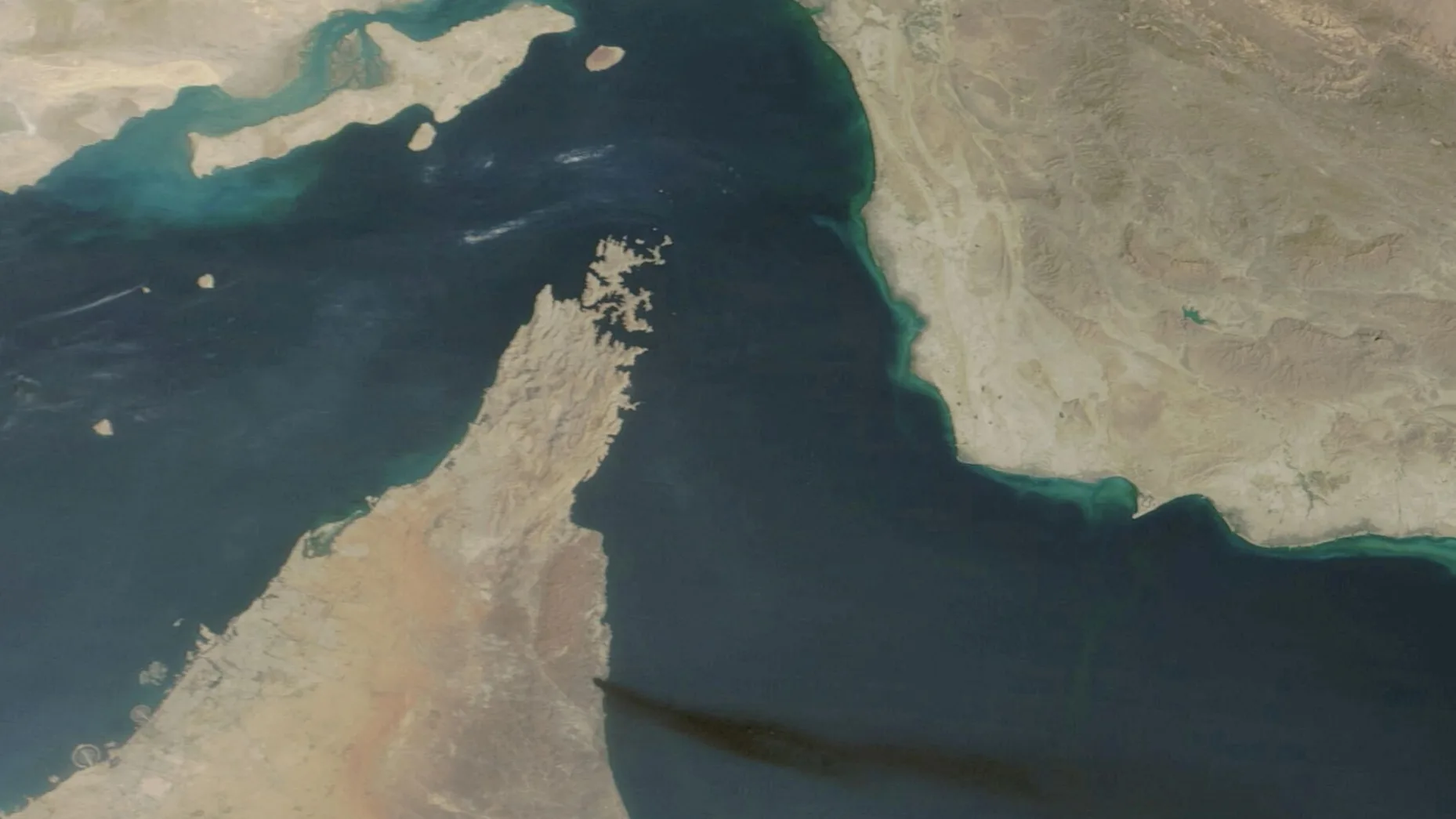
The shipping impact is also materializing. Container freight rates on Asia-Europe routes, which pass through the Strait of Hormuz corridor affected by the conflict, have risen approximately 18% since the war began. This affects the movement of semiconductors, assembled consumer electronics, and components used in hardware manufacturing. Combined with the memory chip shortage already driven by AI data center demand, the cumulative effect is a supply chain under pressure from two directions at once: structural chip constraints on one side and energy and shipping costs on the other. Sony's PS5 price increase, Netflix's subscription hike, and Apple's MacBook Pro price adjustment earlier this year are early indicators of how those pressures reach consumers.
Analysts at S&P Global wrote this week that the next four weeks of the conflict will be decisive for the global economy. If the war expands to include wider regional involvement or sustained disruption to Hormuz shipping lanes, a further 20% to 30% increase in oil prices is within the range of modeled scenarios. CNBC reported that a futures trade strategy that performed well during the 2022 energy shock is already gaining renewed attention from institutional investors positioning for a prolonged conflict.
For businesses in Nigeria, higher global energy prices compound local grid and generator costs that are already among the highest operating burdens for technology companies. Startups and agencies running on diesel backup power should factor a sustained fuel cost increase into their 2026 operating budgets. For e-commerce businesses importing electronics for resale, the combination of higher manufacturer prices and increased shipping costs will tighten margins before the year is half over.
The Iran war is a geopolitical event with a direct line to your electricity bill and your next device purchase.
Source:CNBC